
Author: Hugo Mellado
-

Litter habits, a soft mouth, coming when called and calm handling: a practical, reward-based approach to training a ferret in short sessions, with the mistakes to avoid.
-

Gut stasis, dental disease, vitamin C deficiency, respiratory infections, bladder stones and wet tail: the illnesses that most often affect rabbits, guinea pigs and hamsters, and the early signs to catch.
-

Fresh food, raw diets, grain-free, insect protein and gut-health toppers: a calm look at which pet feeding trends are supported by evidence, which are neutral and which deserve real caution.
-
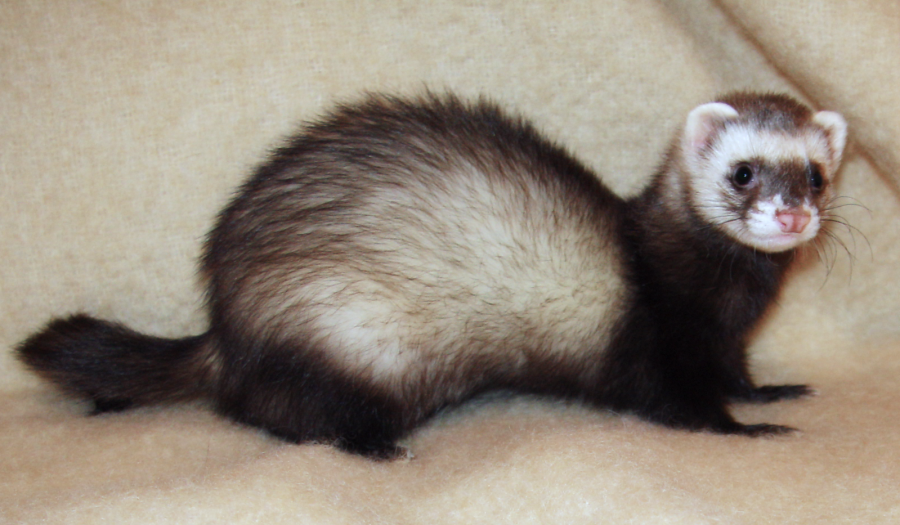
A ferret asks more of a child than a hamster does: daily care, litter habits, gentle correction and real training. Here is what children gain from it, and where the adults have to stay in charge.
-

Six hours a week, for a decade or more. What the dog walk does for movement, daylight, neighbourhood life and family conversation — and how to make it sustainable.
-

Birds are social animals, not decoration. The daily rhythm they enforce, the volume and air-quality realities households underestimate, and the decades-long commitment involved.
-
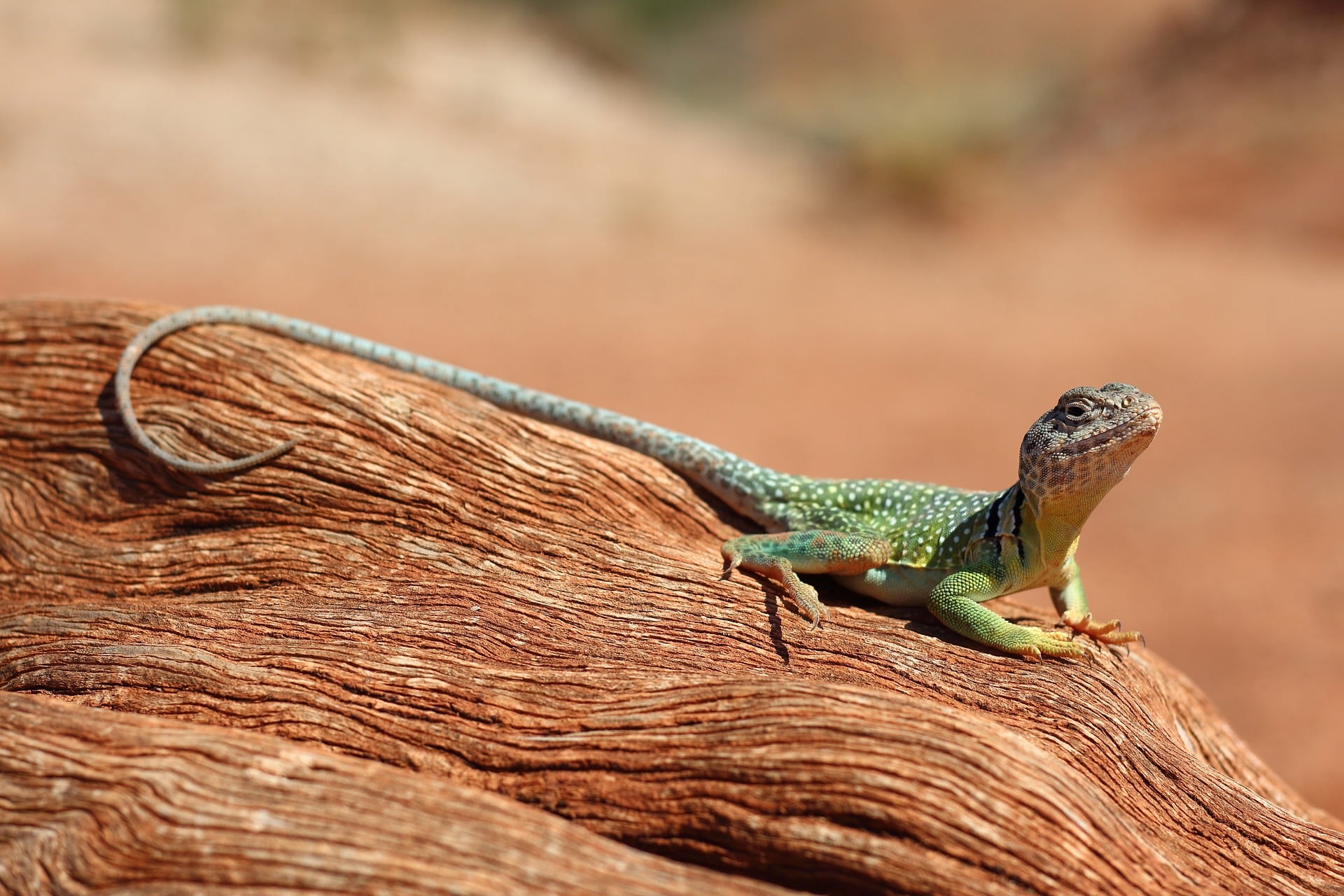
Reptiles look low-maintenance and demand precision instead. Temperature gradients, UVB schedules, logbooks and delayed consequences make them a remarkable teacher for a methodical keeper.
-

Guinea pigs and hamsters are nearly opposite animals sold from the same shelf. Choosing correctly, the daily habits they impose, and what a child genuinely learns from each.
-

Rabbits are not cheap, easy starter pets. Understanding a prey animal, the non-negotiable daily habits and the emergency signs is what makes them such good teachers.
-

Fish are not the pet you get when you do not want a pet. Cycling a tank, a weekly rhythm and the discipline of not overfeeding make an aquarium an unusually good teacher.