
Small rodents occupy a strange position in family life. They are the animals most often bought as a first pet and the animals most often quietly neglected six months later, and the reason is almost always the same: the family chose the wrong species for the child they had.
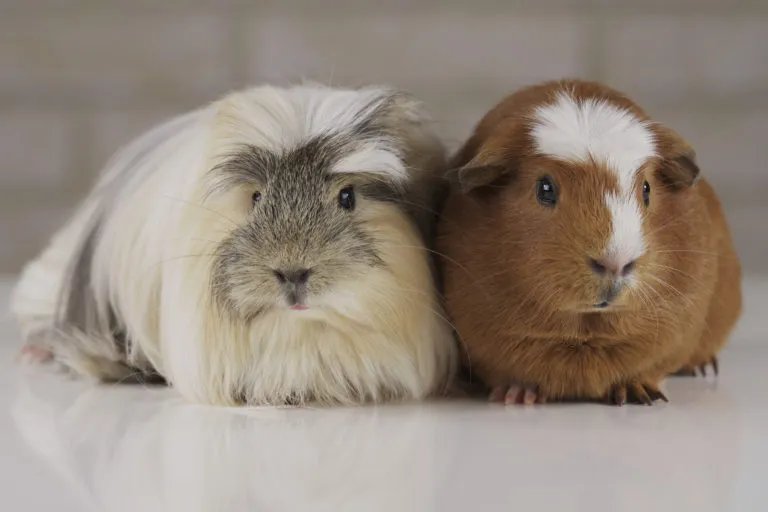
Guinea pigs and hamsters are both sold from the same shelf in the same size cages, and they are nearly opposite animals. Getting that choice right is the difference between a child who learns to care for something and a child who loses interest in a creature that was never going to meet them halfway.
Guinea pigs and hamsters are not interchangeable
- Guinea pigs are awake during the day, highly social, vocal, and tolerant of gentle handling once they trust you. They must be kept in pairs or groups. They live five to seven years and need a surprising amount of floor space, daily fresh vegetables and unlimited hay.
- Hamsters are nocturnal, solitary by nature, and generally do not enjoy being held for long. Syrian hamsters must be housed alone or they will fight, sometimes fatally. They live two to three years and need a large tank with deep bedding for burrowing and a wheel big enough not to curve the spine.
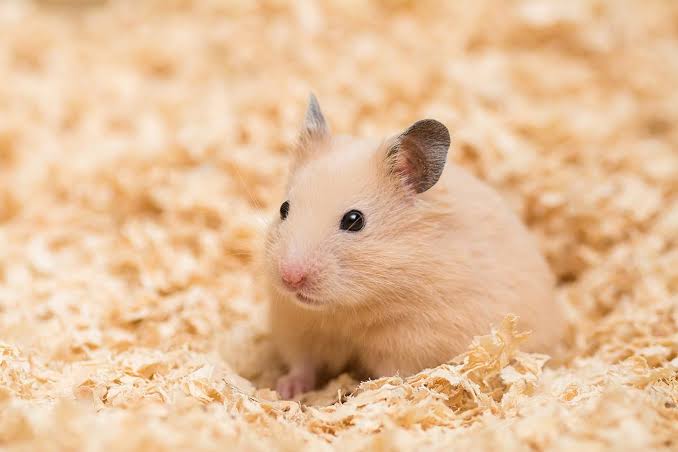
The practical consequence is stark. A hamster bought for a seven-year-old will be asleep every time that child is awake, and waking it repeatedly is stressful for the animal and disappointing for the child. That single mismatch is behind an enormous number of abandoned first pets. A hamster suits a teenager who is up late and content to watch rather than cuddle. A guinea pig suits a younger child who wants interaction.
The habits a rodent builds
The routine is short but genuinely daily, which is what makes it useful.
- Fresh water, checked morning and evening. Bottles block without warning, and a rodent cannot go long without water.
- Unlimited hay for guinea pigs, every day. As with rabbits, their teeth grow continuously and dental disease follows a low-fibre diet.
- Fresh vegetables daily for guinea pigs. They cannot synthesise vitamin C and will develop scurvy without a dietary source. Bell pepper and leafy greens are the usual answer, and this is a real medical requirement rather than a treat.
- Measured pellets, not a permanently full bowl.
- Spot-clean soiled bedding daily, full clean weekly. Ammonia from urine damages small respiratory systems quickly.
- Daily observation. Weigh guinea pigs weekly if you can, because weight loss shows up before anything else does.
- Floor time and enrichment. Tunnels, chew items, hiding places, and for hamsters enough bedding depth to dig properly.
Our guinea pig care guide and hamster care guide cover enclosure sizes, diets and health in full.
What children actually learn from a small rodent
The lessons are different from those a dog teaches, and in some ways sharper.
The first is gentleness with consequences. A rodent is genuinely fragile. Dropped from a child height, a guinea pig can be badly injured. Children learn to sit on the floor before holding, to support the whole body, and to put the animal down when it struggles. That is a physical discipline, not an instruction, and animals teach it better than adults do.
The second is that trust is built rather than granted. A newly arrived guinea pig hides. Over weeks of quiet presence and hand feeding it begins to approach, and eventually it starts calling when it hears the fridge open. A child who has watched that happen has learned something about patience that no reward chart delivers.
The third is that small does not mean simple. Children are often startled to learn that a guinea pig needs vegetables for a specific vitamin, that a hamster wheel can be the wrong size, that bedding depth matters. The realisation that even a very small animal has exact requirements is the beginning of taking care seriously.
What parents must not delegate
A rodent is a child-sized animal and an adult-sized responsibility. Adults hold the veterinary decisions, the money, the enclosure standard and the daily verification that the water and food actually happened. The child owns a defined job inside that system.
Two adult decisions matter more than any other. First, buy the enclosure the animal needs rather than the one marketed for it, because cages sold for hamsters and guinea pigs are very often far below welfare recommendations. Second, find out before you buy whether a local veterinarian sees small mammals. Many general practices do not, and finding out during an emergency is the worst possible time.
Signs that need a veterinarian
Small rodents deteriorate quickly and hide illness. Seek veterinary advice promptly for a rodent that has stopped eating or drinking, is losing weight, sits hunched or fluffed up, breathes with effort or makes clicking or wheezing sounds, has discharge from eyes or nose, has wet or soiled fur around the rear, drools or has wet fur around the mouth, has a lump, a head tilt, bald patches or scabs, or is suddenly unwilling to move. In a very small animal, a day of not eating is significant.
And when it dies
A hamster living two or three years means the loss usually arrives while the child is still a child. Handled openly it is one of the most useful things a small pet does: a first bereavement at a manageable scale, with adults present, in a house where it can be talked about.
That is not a reason to choose an animal, but it is worth being ready for rather than surprised by. Our article on what children learn from growing up with a pet covers this and the age-appropriate division of tasks in more detail.
Keep reading: Guinea pig care guide · Hamster care guide · Choosing your first pet · Common illnesses in rabbits, guinea pigs and hamsters · How to train a ferret
Pet & Pet publishes educational content written and reviewed by Hugo Mellado. It is not veterinary advice and never replaces an examination by a licensed veterinarian. If an animal is unwell, contact a veterinary professional. Read our full Disclaimer.
Leave a Reply