
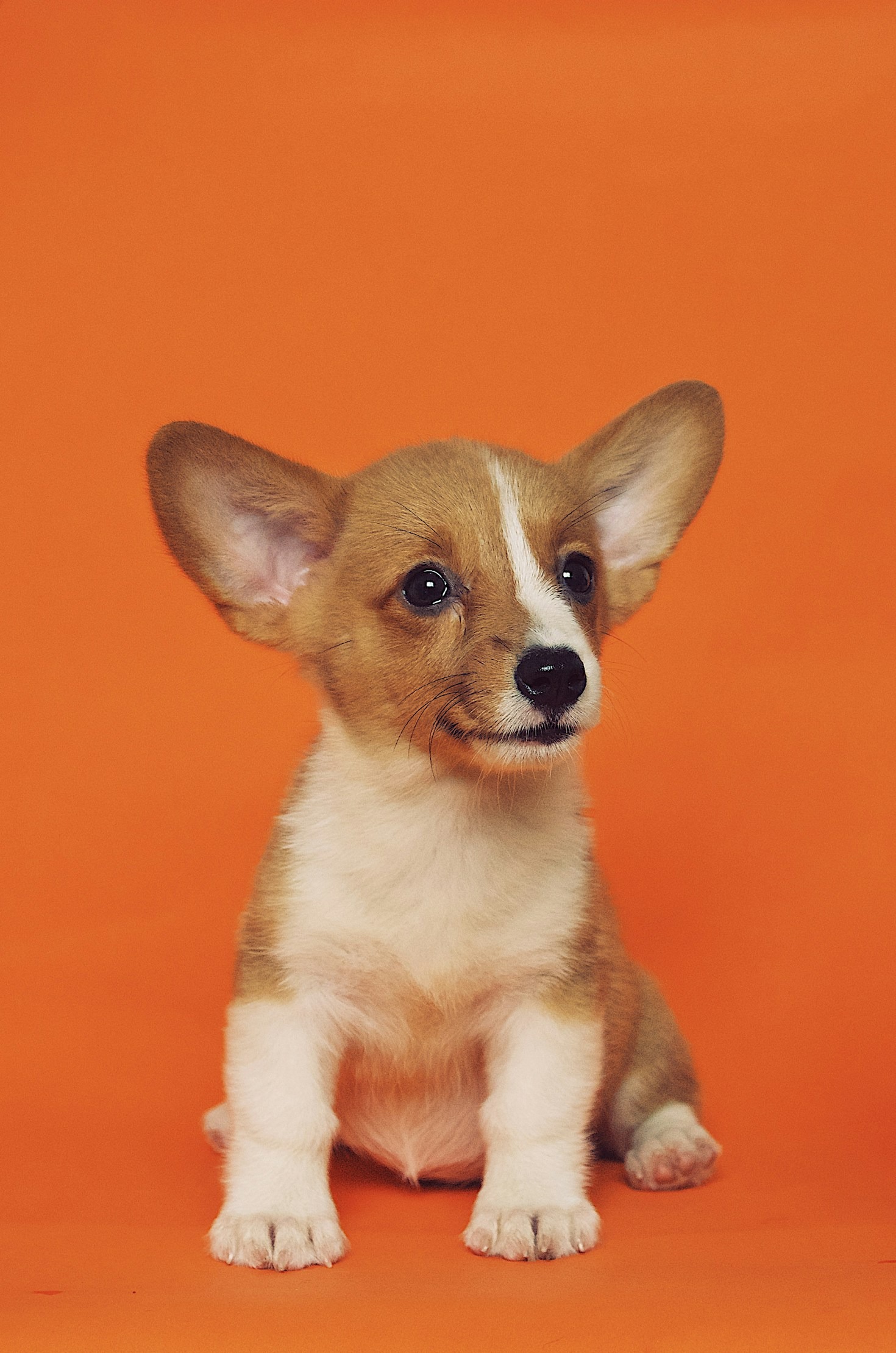
Most first pets are chosen the wrong way round. Somebody sees an animal, falls for it, and then tries to build a life around it. It works often enough that the method survives, but it is also the reason shelters fill up with eighteen-month-old dogs and unwanted rabbits, and the reason a lot of people conclude they are not pet people when in fact they simply picked the wrong species.
The better method is unromantic and takes about twenty minutes. You describe the life you actually have, and then you find the animal that fits inside it.
Six questions that decide almost everything
- How many hours a day is the home empty? Over eight hours rules out dogs and, in practice, ferrets. Cats, rabbits kept in pairs, small rodents, birds kept in pairs, fish and reptiles all cope.
- How much noise can the household absorb? Parrots and many smaller birds are genuinely loud. Dogs bark. Guinea pigs whistle. Fish and reptiles are silent.
- How much space is there, honestly? Rabbits need far more room than the pet trade implies. Large reptiles need large enclosures. A cat needs vertical space more than floor space.
- What is the real monthly budget, including the bad year? Every species has an emergency version of itself, and exotics often cost more to treat because fewer vets are qualified.
- Who travels, and how often? Fish and reptiles are easiest to cover for a weekend. Dogs are hardest.
- How long a commitment can you make? A hamster is two to three years. A rabbit is up to ten. A cat or dog is twelve to eighteen. A parrot can outlive you, and some tortoises certainly will.
What each species actually asks of you
Set aside how appealing the animals are for a moment and look only at the daily obligation.
- Dogs. Two walks daily, company for most of the day, training, the highest cost and the highest reward in terms of interaction. See the dog care guide.
- Cats. Litter scooped daily, food twice daily, play, climbing space. Tolerates a working day well. See the cat care guide.
- Rabbits. Unlimited fresh hay daily, a large enclosure with exercise space, a companion rabbit, a rabbit-experienced vet. Mostly dislike being held. See the rabbit guide.
- Guinea pigs. Daily fresh vegetables for vitamin C, hay, a companion, floor space. Active in daylight and the most interactive small mammal. See the guinea pig guide.
- Hamsters. Nocturnal, solitary, a large tank with deep bedding, a big wheel. Short lifespan. See the hamster guide.
- Ferrets. Several hours of supervised play daily, a completely ferret-proofed room, specialised veterinary care. Demanding. See the ferret guide.
- Birds. Social attention, a large cage plus out-of-cage time, an avian vet, and a tolerance for volume and dust. See the bird guide.
- Reptiles. Exact temperature gradients, correct UVB, precise humidity, appropriate feeding. Low interaction, high precision. See the reptile guide.
- Fish. A cycled tank, weekly water changes, water testing, measured feeding. Absorbing, silent, unforgiving of shortcuts in the first month. See the aquarium guide.
The mistakes first-time owners make most often
Four errors account for the majority of unhappy outcomes, and all four are avoidable before the animal arrives.
- Buying the enclosure the shop recommends. Cages sold for rabbits, hamsters and birds are very often below what the animal needs. Research the requirement, then buy.
- Keeping a social species alone. Rabbits and guinea pigs are companion animals and suffer kept singly. Many birds too. This is a welfare issue, not a preference.
- Choosing a young animal for a young child. Puppies and kittens are demanding and fragile. A settled adult is almost always the better family choice.
- Ignoring the nocturnal problem. A hamster bought for a seven-year-old will be asleep every time the child is awake. This ends in a neglected animal and a disappointed child.
If nothing fits yet
That is a legitimate conclusion and a temporary one. Fostering for a rescue gives you an animal for a defined period with costs usually covered. Volunteering gives you animals without the lease, the budget or the fifteen years. Sitting for neighbours gives you experience that makes the eventual decision better.
Waiting until the fit is right is not going without. It is the same care you are proposing to give the animal, applied slightly earlier.
One last filter
Before you commit, write down what happens in three scenarios: you move house, you lose your job, and someone in the household develops an allergy. If you have an answer for all three, you are ready. If you do not, that is not a reason never to have a pet. It is a reason to be a little more prepared before you do.
Keep reading: All pet care guides · Frequently asked questions · Choosing a shelter animal · Common illnesses in rabbits, guinea pigs and hamsters
Pet & Pet publishes educational content written and reviewed by Hugo Mellado. It is not veterinary advice and never replaces an examination by a licensed veterinarian. If an animal is unwell, contact a veterinary professional. Read our full Disclaimer.
Leave a Reply